Dishes & Recipes
How to make chicken teriyaki at home
Teriyaki is a cooking method, not a bottle of sauce. Four pantry ingredients, glazed in the pan, give you the version Japanese kitchens actually make.
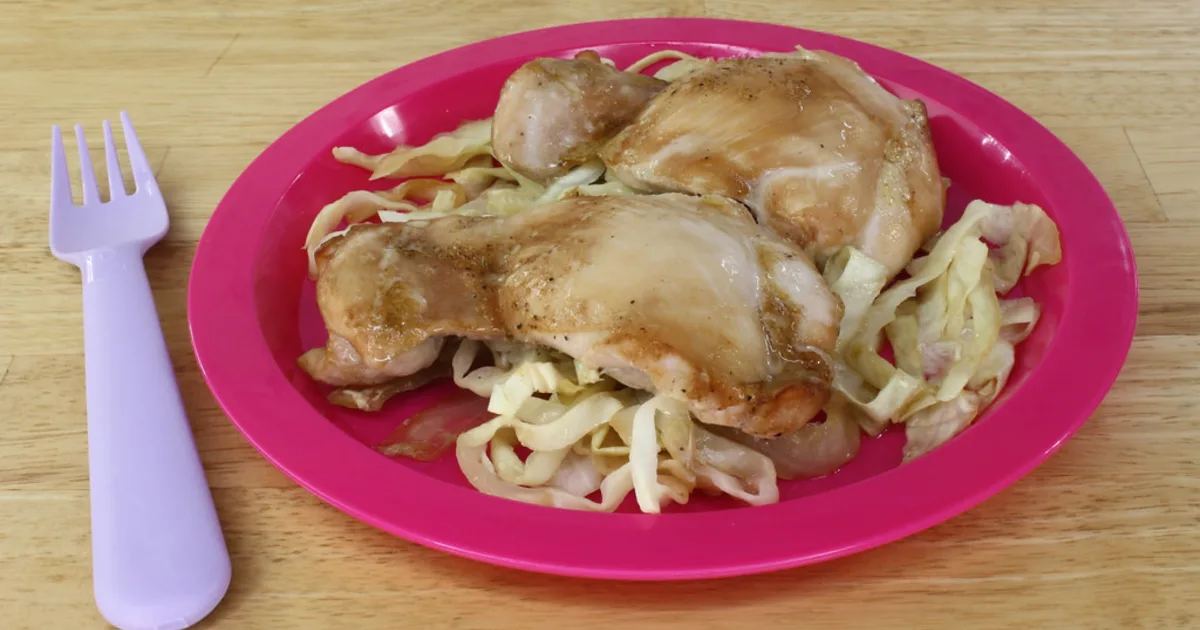
Teriyaki is one of the most familiar Japanese words on an American menu, and one of the most misread. The name describes a technique, not an ingredient: teri means a glossy shine, and yaki means grilled or pan-cooked. A teriyaki dish is something cooked and then glazed until it gleams. The thick, sweet bottled sauce sold under the name is a later, mostly Western invention.
The traditional glaze is simpler and lighter. It is built from four things most Japanese kitchens keep on hand, reduced in the same pan the chicken cooks in. Skin-on, boneless chicken thigh is the classic cut because the fat renders and the skin crisps, but a breast works if you watch the heat.
The glaze, in four parts
The sauce is equal parts soy sauce, mirin, and sake, with a smaller amount of sugar. Mirin brings sweetness and the shine the dish is named for; sake softens and rounds the soy; the sugar tightens the reduction into a glaze. There is no cornstarch and no need for it.
Ingredients (serves 2)
- Boneless chicken thigh, skin on2 pieces (about 400 g)
- Soy sauce2 tbsp
- Mirin2 tbsp
- Sake2 tbsp
- Sugar1 tsp
- Neutral oil1 tsp
- Mix the glaze. Stir the soy sauce, mirin, sake, and sugar together in a small bowl until the sugar dissolves. Set it within reach of the stove.
- Cook the chicken skin-side down. Pat the thighs dry, add the oil to a cold pan, then lay the chicken in skin-side down over medium heat. Let it render undisturbed for five to six minutes until the skin is browned and crisp.
- Turn and finish. Flip and cook the other side three to four minutes, until the chicken is cooked through. Tip out any excess fat so the glaze can grip.
- Add the glaze. Pour the sauce into the hot pan. It will bubble hard. Spoon it over the chicken and turn the pieces as the liquid thickens, about two to three minutes.
- Glaze and rest. When the sauce coats the back of a spoon and the chicken looks lacquered, pull the pan off the heat. Rest the chicken a minute, slice, and spoon the pan sauce over the top.
Notes and substitutions
If you cannot find mirin, a workable stand-in is a little extra sake with a pinch more sugar, though you lose some of the depth. To cook without alcohol, leave out the sake and let the mirin and soy reduce a touch longer. A breast will cook faster and dry out sooner, so lower the heat and cut the second-side time.
Serve it over short-grain rice with something green and plain alongside, such as steamed broccoli or blanched spinach, so the glaze stays the loudest thing on the plate. Leftover chicken sliced cold is good in a rice bowl the next day.
Why thigh, and how to know it is done
Thigh meat holds up to the high heat the glaze needs without drying, and the rendered skin gives the dish its texture. Starting the chicken in a cold pan, rather than a hot one, lets the fat under the skin melt slowly so the skin crisps instead of seizing and curling. If you only have breast, butterfly it to an even thickness so it cooks through before the surface toughens.
Chicken is cooked through at an internal temperature of 74 degrees Celsius, or 165 Fahrenheit, measured at the thickest part. Without a thermometer, cut into the center: the juices should run clear and the meat should be opaque with no pink. Because the glaze darkens fast once the sugar concentrates, judge doneness by the chicken and the look of the sauce together rather than by color alone, which can read as finished before the meat is.