Ingredients & Techniques
The Japanese pantry: essential ingredients
Eight shelf-stable basics carry most home Japanese cooking. What each one does, how to choose it, and how to keep it from going stale.
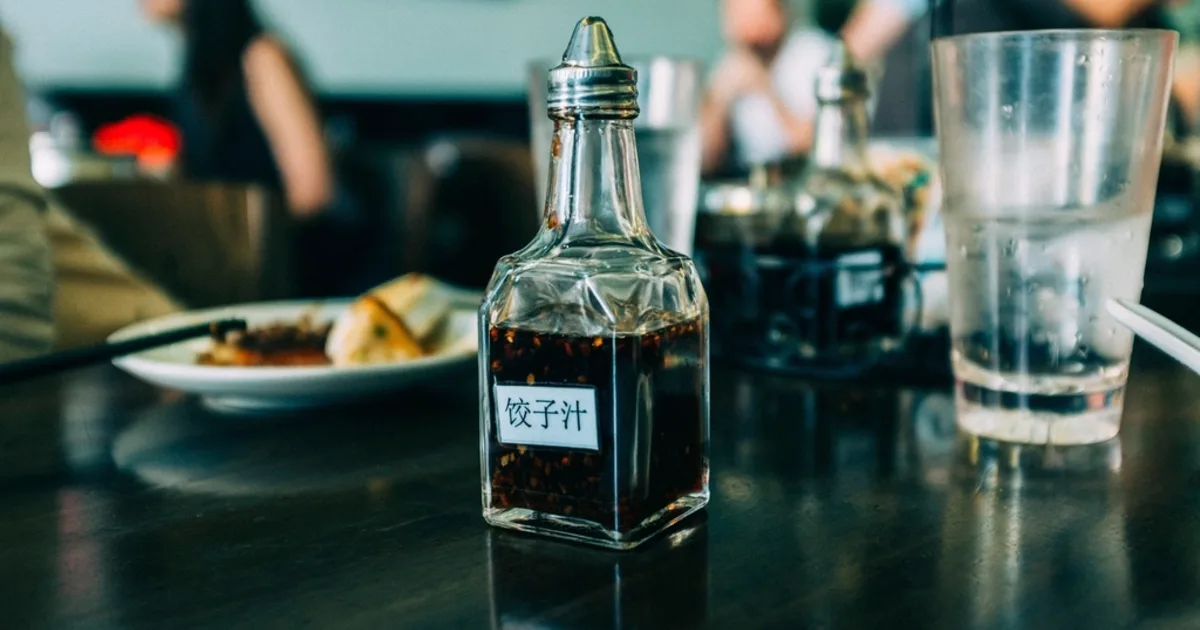
Japanese home cooking leans on a small set of pantry ingredients rather than long shopping lists. Once a handful of bottles and dried goods are on the shelf, most everyday dishes are within reach without a special trip. The flavors come less from spices and more from fermented and dried staples that bring savoriness, salt, and sweetness in balance.
Below are eight basics worth keeping, grouped by what they do. None of them is exotic, and most keep for months. Buy the best version you can of the few you use most, since the difference shows in food this simple.
The seasoning bottles
These four do most of the daily work. A common Japanese rule of thumb for seasoning, the order sa-shi-su-se-so, even encodes the sequence in which they go into a simmered dish: sugar, salt, vinegar, soy sauce, and miso.
The bottles
- Soy sauce (shoyu)
- The backbone of savory seasoning. Standard koikuchi is the all-purpose dark soy; lighter usukuchi is saltier and used where color must stay pale. Keep it cool and use it within a few months of opening, as it dulls with air.
- Mirin
- A sweet rice seasoning that adds gloss and depth to glazes and simmered dishes. Look for hon-mirin, the brewed kind, rather than mirin-style seasoning, which is mostly corn syrup and salt.
- Sake
- Cooking sake tenderizes and rounds out sharp flavors. A drinkable bottle works; avoid salted cooking sake if you can, since it limits how you can season.
- Rice vinegar
- Milder and less sharp than Western vinegars. It seasons sushi rice and dressings. Unseasoned rice vinegar gives you the most control.
The umami builders
Three dried or fermented staples supply the savory base that defines the cuisine. Together they are why so little else is needed.
The savory base
- Miso
- Fermented soybean paste, the heart of miso soup and many marinades. White (shiro) miso is mild and sweet; red (aka) is stronger and saltier; awase is a blend. Keep it refrigerated and it lasts a long time.
- Kombu
- Dried kelp, the vegetarian source of dashi's depth through its natural glutamate. It keeps almost indefinitely in a sealed bag in a dry cupboard.
- Katsuobushi
- Shavings of dried, smoked skipjack tuna. Steeped briefly with kombu it makes the classic dashi stock, and it also tops dishes as a garnish. Store sealed and away from humidity.
The staple grain
Japanese short-grain rice is the eighth essential and the plate most of this food sits on. Its higher starch gives the tender, slightly sticky texture that long-grain rice cannot match, so it is worth seeking out rather than substituting. Rinse it until the water runs clear before cooking, and store it cool and sealed so it does not stale or pick up odors.
With these eight on hand, a weeknight meal is mostly a matter of assembly: rice, a quick dashi, a bowl of miso soup, and one glazed or simmered dish. The pantry, not the recipe, is what makes that possible.
Buying and storing well
Two habits keep this short list working. The first is to buy small. Soy sauce, mirin, and miso all change with exposure to air, so a bottle you finish in a couple of months will taste better than a large one that sits half-used for a year. The second is to store by type: keep the brewed seasonings cool and tightly closed, refrigerate miso once opened, and keep the dried goods, kombu and katsuobushi and rice, sealed away from heat and humidity where they will hold for a long time.
If you are starting from nothing, the order that gets you cooking fastest is soy sauce, mirin, miso, and short-grain rice. Add kombu and katsuobushi as soon as you want to make dashi from scratch, and the sake and rice vinegar follow when a glaze or a dressing calls for them. None of this is a one-time shop; the point is a standing shelf you top up rather than rebuild.