NYC Dining & Culture
A guide to sushi: types and etiquette
Nigiri, maki, and sashimi are not the same thing, and a sushi counter is not a buffet. A short, practical guide to what you are ordering and how to eat it well.
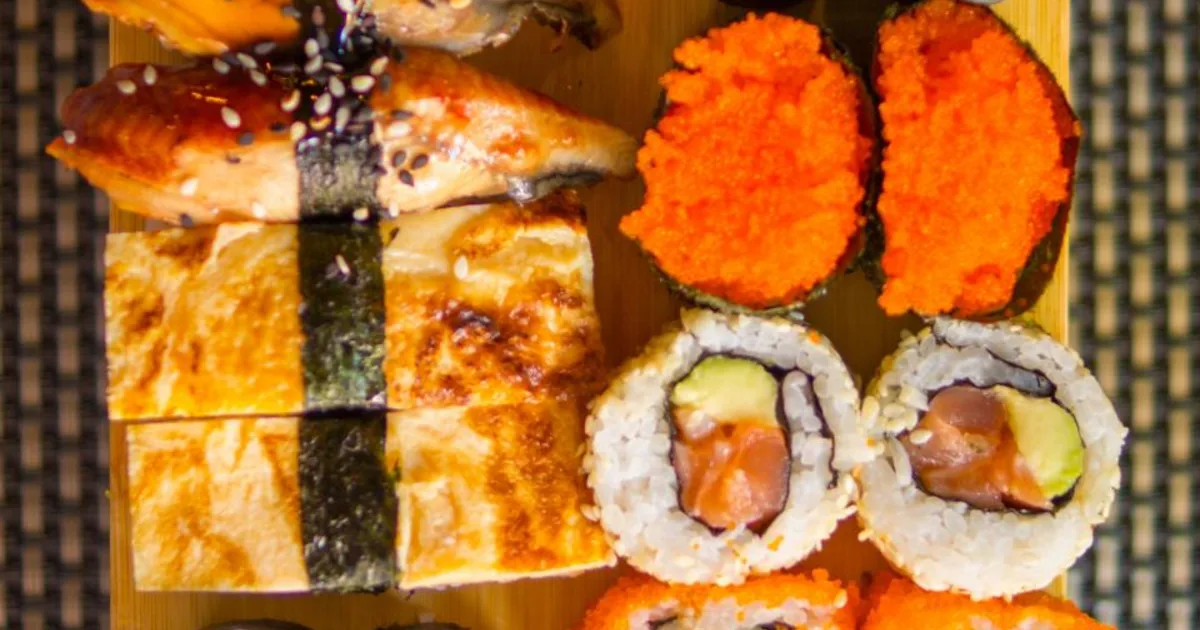
Sushi is one of the most exported Japanese foods and one of the most misunderstood. The word does not mean raw fish. It refers to vinegared rice, and the fish, when there is fish, is what sits with it. Once that is clear, the menu at a counter starts to make sense, and so do the customs around eating there.
This guide covers the main forms you will meet, the difference between a conveyor spot and a counter, and the handful of table manners worth knowing before you sit down.
The main forms
Most of what gets called sushi falls into a few shapes. Knowing them by name makes ordering easier and tells the kitchen you are paying attention.
Know the difference
- Nigiri
- A hand-pressed oval of seasoned rice with a slice of fish or other topping laid over it, often with a dab of wasabi between the two. The standard unit of a sushi counter.
- Sashimi
- Sliced raw fish served on its own, with no rice. Strictly speaking it is not sushi at all, since sushi is defined by the rice, but it shares the same counters and skills.
- Maki
- Rolled sushi, with rice and fillings wrapped in nori seaweed and cut into rounds. Thin rolls are hosomaki; thick ones are futomaki.
- Temaki
- A hand roll, shaped into a cone of nori and eaten right away before the seaweed softens.
- Gunkan
- A small rice oval wrapped in a nori band to hold loose toppings such as roe or chopped scallop.
Conveyor belt versus counter
A conveyor-belt restaurant, kaiten-zushi, is built for casual, fast, low-cost eating. Plates circle past on a belt, often color-coded by price, and you take what you want. It is a fine, unfussy way to eat and carries no special expectations.
A sushi counter is a different setting. The chef, the itamae, works in front of you and often serves one or two pieces at a time. Some counters run omakase, meaning you leave the choices to the chef and eat in the order they decide. Here the pace, the order, and the temperature of each piece are part of the meal, which is why the customs below matter more.
Etiquette that actually helps
Most sushi etiquette exists for a practical reason rather than ceremony. A few points cover almost every situation.
Soy sauce and wasabi
With nigiri, dip the fish side, not the rice, into soy sauce. Rice soaks up far too much and falls apart. The chef has usually already placed the wasabi they think a piece needs, so stirring a paste of wasabi into your soy dish can be taken as second-guessing the kitchen. With sashimi, a light touch of soy is enough.
Hands or chopsticks
Eating nigiri with your fingers is entirely acceptable and traditional. Chopsticks are fine too. Sashimi is usually taken with chopsticks. Either way, eat each piece in one bite if you can, since they are sized for it.
Ginger and pacing
The pickled ginger, gari, is a palate cleanser between pieces, not a topping to pile on the fish. At a counter, eat each piece reasonably soon after it is served rather than letting several stack up, since the rice and fish are at their best right away.
None of this is a test. A good restaurant wants you to enjoy the meal, and most will quietly help if you are unsure. Knowing the names and the few customs above simply lets you spend the meal tasting rather than guessing.